
Review: Fame The Musical, Theatre Royal Plymouth
There are some shows that become part of your life before you ever step inside a theatre.
For me, Fame was one of them.
Like so many people of my generation, the 1980 film was woven into my teenage years. I remembered the music, the energy and the optimism. I remembered young people chasing impossible dreams and somehow making you believe everything would turn out alright.
Watching the original film again recently at a TRP press event, I realised I'd forgotten something. Beneath the iconic songs and exuberant dance numbers lies a much darker story about ambition, identity, heartbreak and the sacrifices made in pursuit of success.
Perhaps that's what makes revisiting Fame today so interesting.
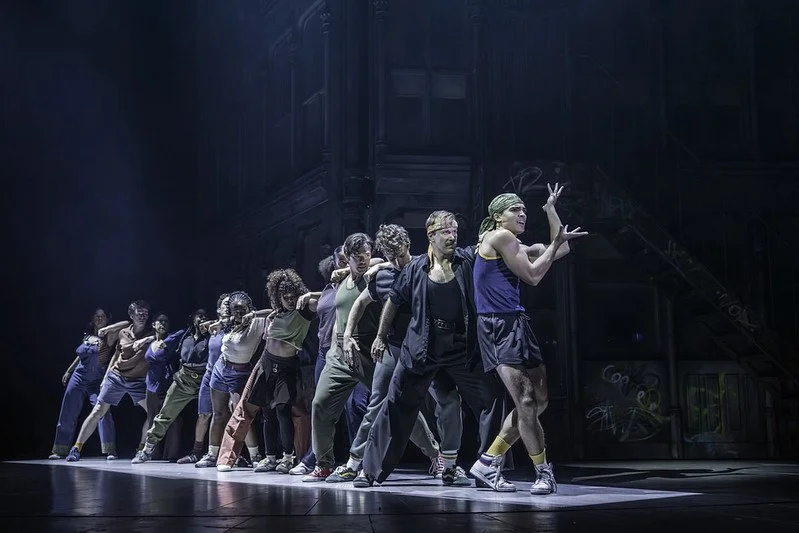
More than thirty years after the musical received its European premiere on this very stage in Plymouth, Theatre Royal Plymouth has brought it home with an ambitious new production that carries far more significance than simply another summer musical.
This production is entirely produced, built and financed by Theatre Royal Plymouth itself. It represents a bold statement of intent from the organisation, proving that the city has the creative talent, technical expertise and confidence to develop large-scale productions capable of travelling well beyond Devon.
That ambition is evident from the moment the curtain rises.
Directed and choreographed by Theatre Royal Plymouth's Associate Artistic Director Tom Jackson Greaves, whose programme notes reveal a lifelong love affair with Fame, the production embraces both the nostalgia of the original and the realities facing young performers today.
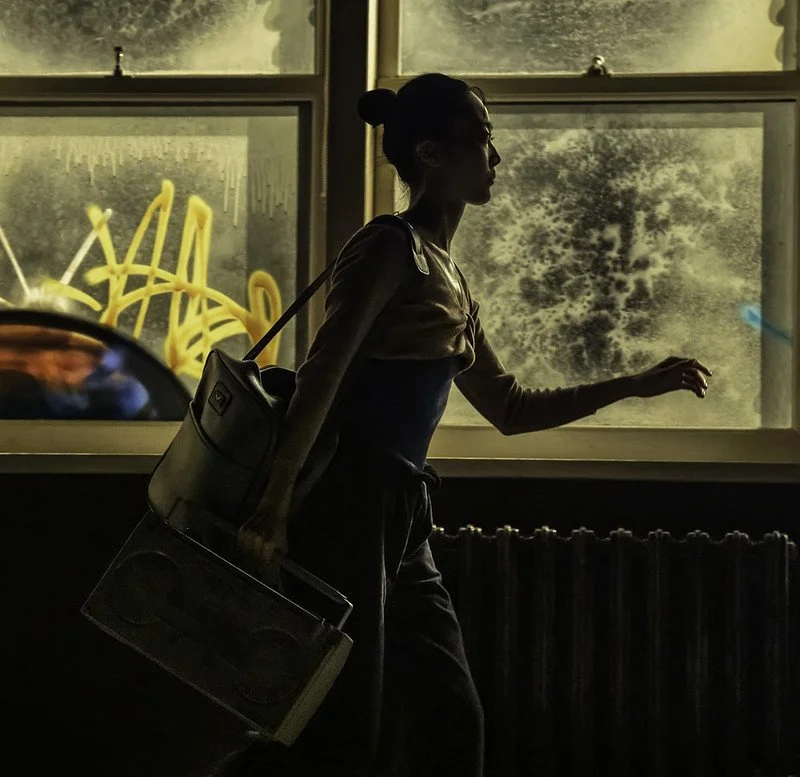
The first thing that strikes you is the set.
Designed by Soutra Gilmour and brought to life by the highly skilled production teams at TR2, Theatre Royal Plymouth's internationally respected Production and Learning Centre, the revolving stage is wonderfully effective. It constantly shifts between the streets of Manhattan and New York's High School of Performing Arts, creating a city that never quite stands still. The ever-present bustle of rehearsals, arguments, traffic and conversations gives the whole production an authentic sense of place.
It is clever, fluid and beautifully engineered.
Musically, there is plenty to admire.
Shanay Holmes delivers the evening's standout performances as Miss Sherman, bringing authority, warmth and some of the strongest vocals of the night. Every time she stepped onto the stage, the production seemed to lift another level.
There are equally impressive performances from Megan Ellis as Serena Katz, whose vocals are beautifully controlled, and Talia Palamathanan, who brings genuine emotional depth to Carmen's heartbreaking journey. Joe Boyle is an engaging Nick Piazza, Toby De Salis (with south west roots) is great as Goodman 'Goody' King, while James Hastings brings warmth and humour to Schlomo Metzenbaum. Across the company there is no shortage of talent, with a cast that throws itself wholeheartedly into both the music and the choreography.
Yet, despite all of that, I found myself waiting to be swept away.
Perhaps that's because I arrived carrying forty years of memories and expectations.
One thing I hadn't anticipated was how much I missed some of the familiar faces from the film. The stage musical isn't a direct adaptation and introduces a number of different central characters rather than simply recreating those many of us grew up with. As someone who knows the original so well, I occasionally found myself trying to work out who was who and where they fitted into the story. I understand the creative decision to make the stage production its own work, but for me it created a slight emotional distance during the first half and made it harder to immediately connect with the characters.
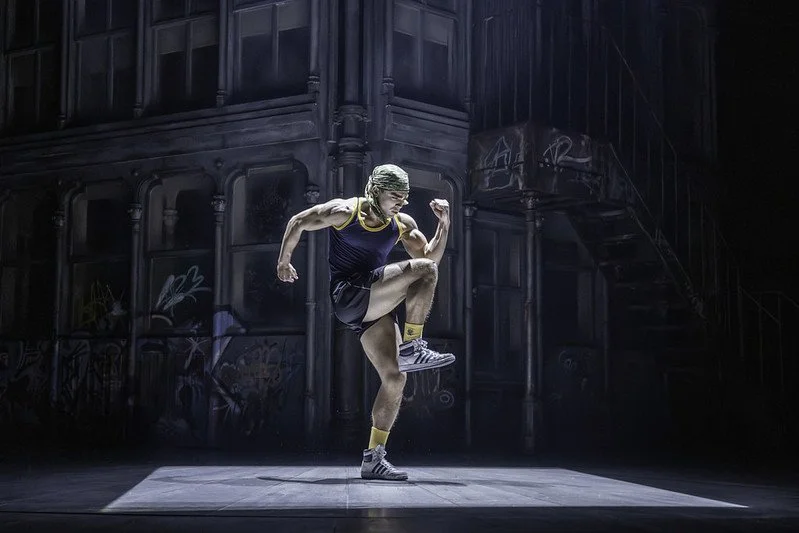
That feeling wasn't helped by a first act that, for me, never quite reached the emotional intensity or infectious energy I associate with Fame. Individual performances impressed, but I kept waiting for the production to truly ignite. There were moments when it felt as though the company was holding something back. The choreography was excellent, but I longed for the raw exhilaration and youthful abandon that made me fall in love with Fame all those years ago.
The lighting, too, sometimes felt more functional than dramatic. There were moments when the follow spots struggled to keep pace with the performers, and I occasionally wished the lighting design had taken bigger risks to heighten some of the production's emotional peaks.
Then something shifted.
Whether it was opening-night nerves disappearing or simply the natural rhythm of the storytelling, the second half found another gear entirely.
The performances relaxed.
The relationships between the characters deepened.
The confidence grew.
Most importantly, the joy finally burst through.
From the vibrant ensemble numbers to the emotional weight of songs like These Are My Children, I Sing the Body Electric and the uplifting finale of Bring On Tomorrow, the production finally delivered.
Watching the cast in those closing moments, it was impossible not to smile - the finale was, for me, the best bit.
It also reminded me why Fame continues to resonate more than four decades after it was first created. Beneath the leg warmers, dance routines and iconic title song lies a story about opportunity, belonging and believing that creativity can change lives. That message feels especially relevant today, and Theatre Royal Plymouth has woven it into every aspect of this production.
For me, I kept reminding myself that the programme repeatedly returns to one phrase: Made in Plymouth and that it isn't simply a marketing slogan.
From the workshops at TR2, where the impressive set was built, to the designers, technicians, musicians and performers who have collaborated to bring this production to life, Fame is a showcase for what this city is capable of creating. It demonstrates that Plymouth is no longer simply a place where touring productions stop; it is becoming a place where major theatre is imagined, made and launched.
That, perhaps, is the production's greatest achievement.
Did this version of Fame completely recapture the feeling I remembered from my youth?
Not quite.
Did I enjoy it?
Yes.
I don't think this production has quite found its full stride yet, but the potential is unquestionably there. By the time the curtain fell, the energy I had been waiting for had finally arrived, and I left thinking less about what hadn't quite landed and more about what this production could become as the company settles into its run.
More importantly, I left Theatre Royal Plymouth feeling excited about where this journey could lead. If this is the beginning of a new era of home-grown musicals, then it is one worth investing in.
Whatever your memories of Fame, there is something rather special about seeing this story return to the city where its European stage journey first began. It may not have given me every goosebump I was hoping for, but I have no doubt that Theatre Royal Plymouth has started something far bigger than one production. If this is what "Made in Plymouth" looks like, then I can't wait to see what comes next.
