
Digital technology is not always the obvious starting point for a conversation about connecting people with nature.
We are more accustomed to hearing about the opposite: the time we spend looking at screens and the need to switch off, get outside and pay more attention to the world around us.
But the relationship between the digital and natural worlds does not have to be one of competition.
Digital tools already influence how we find new places, navigate them, understand their history, share our experiences and connect with other people who care about them. Used thoughtfully, they can also provide a starting point for a deeper relationship with the natural environment.
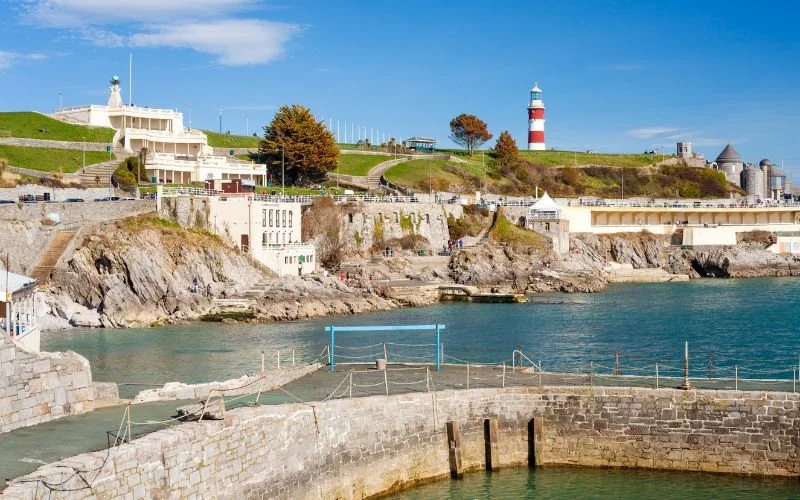
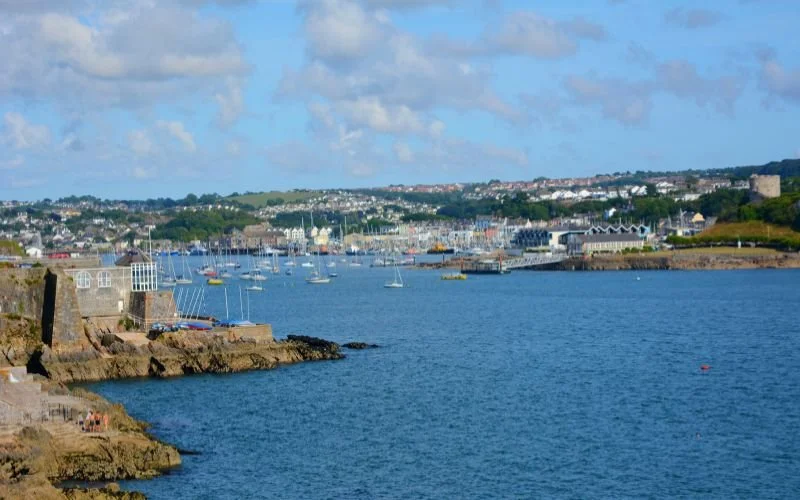
In Plymouth, we're home to the UK's first National Marine Park. We are a city with a culture, history and heritage woven into the sea - our marine identity is very much who we are. Plymouth Sound is a place of extraordinary natural value, but also somewhere shaped by centuries of human activity, culture, work and recreation.
Living in a coastal city, however, does not necessarily mean having a relationship with the sea. There are significant parts of the city where people feel like they do not have one.
So, the question of how digital technology might help more people build their own relationship with Plymouth Sound is an interesting one.
We've been exploring this question through Sea for Yourself - our four-year creative cultural programme for Plymouth Sound National Marine Park - and our partnership with Plymouth Sound National Marine Park and the University of Plymouth.
The resulting research suggests that the most interesting opportunities may lie not in choosing between screen and shoreline, but in understanding how the two can work together.
Connection doesn't happen automatically.
People experience Plymouth Sound in very different ways. For some, being on or beside the water has always been part of everyday life. Others face practical, social or cultural barriers to accessing natural spaces, or simply do not see the waterfront and the opportunities associated with it as being for them.
The concept of the National Marine Park is rooted in the idea of the Marine Citizen - a term developed by Dr Pamela Buchan, who described a Marine Citizen as someone who moves from simply loving the sea to someone who takes action to care for it.
This matters because connection is an important part of how we come to value places.
That connection might begin with wildlife or environmental interest. Still, it might also come through a childhood memory, a family story, an artwork, a walk, a shared experience, or simply discovering something about a familiar place that makes you see it differently.
One idea at the heart of Sea for Yourself is that we need to create more opportunities for those connections to happen.
Creative digital interventions can bring more people into their own marine citizen journey - and help accelerate it.
Exploring the role of digital
In 2025, researchers Professor Katharine Willis and Kizzy Beaumont at the University of Plymouth worked with Plymouth Culture and Plymouth Sound National Marine Park to explore the idea of Digital Marine Citizenship.
The research asked how digital and creative tools might help people understand and connect with marine environments, participate in conversations about them and ultimately play a more active role in their future.
Importantly, the work did not begin with a particular piece of technology and look for somewhere to use it.
Practitioners, researchers and community partners contributed to the process, including through a workshop in Plymouth and a national online session. Their experiences helped identify both the opportunities and the potential pitfalls of digital engagement.
The result is a more nuanced picture than simply assuming that technology makes places more accessible.
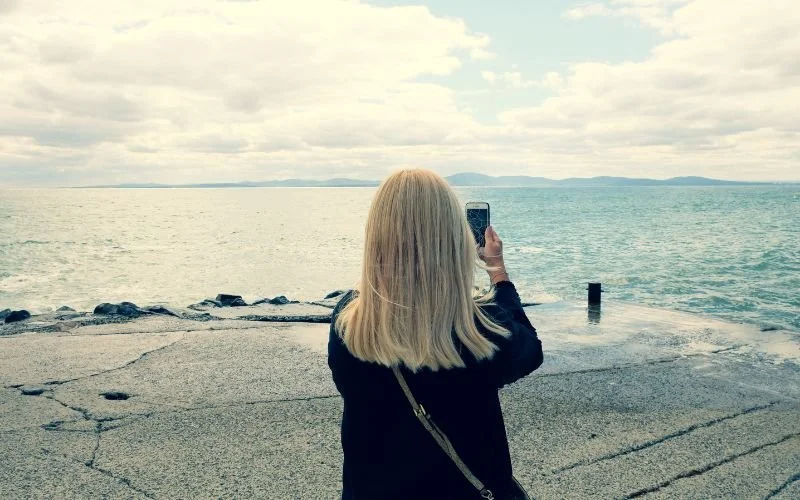
Digital tools can help someone discover a place before visiting, understand what they encounter when they get there, contribute their own knowledge or experiences, and maintain a connection afterwards.
But poorly designed digital experiences can create barriers of their own - factors such as access to devices, connectivity, confidence and digital skills are all challenges.
So too does involving people in developing the experience, rather than deciding on their behalf what they need.
Some of the most interesting examples are those where technology becomes part of a much wider experience of place.
From the shoreline to the city
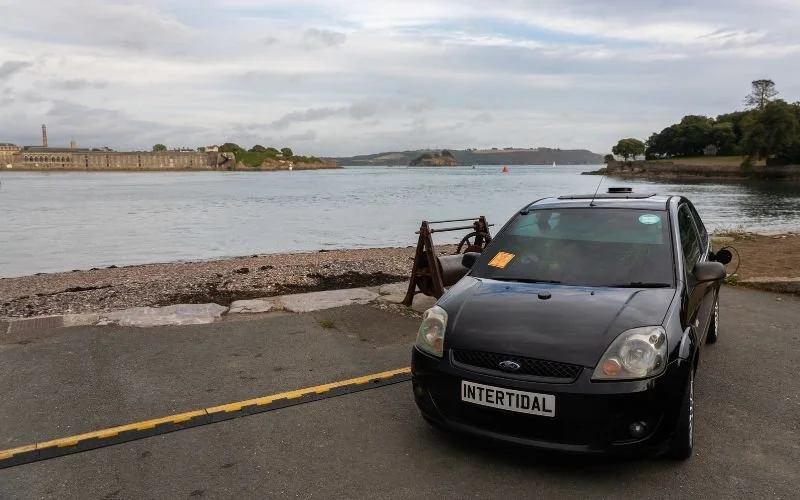
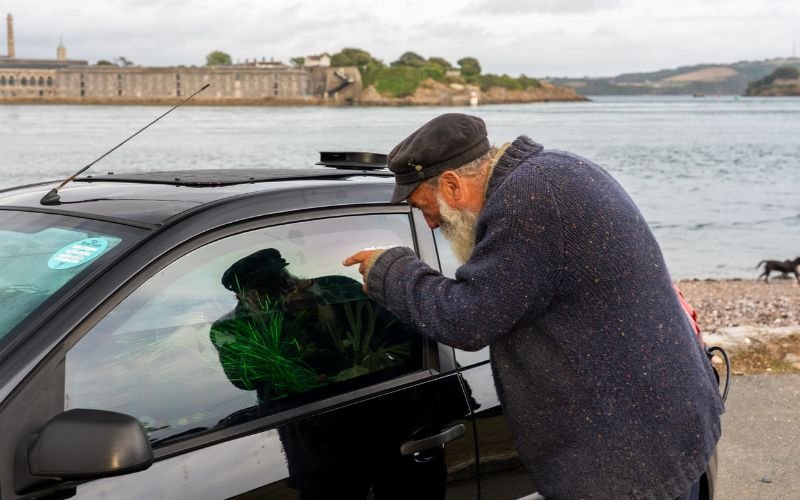
Intertidal is a good example. Commissioned by Sea for Yourself, artist David Cotterrell's major work explores the shifting boundary between land and sea - and the communities, histories and ecologies that live at that edge.
The project did not begin on a screen.
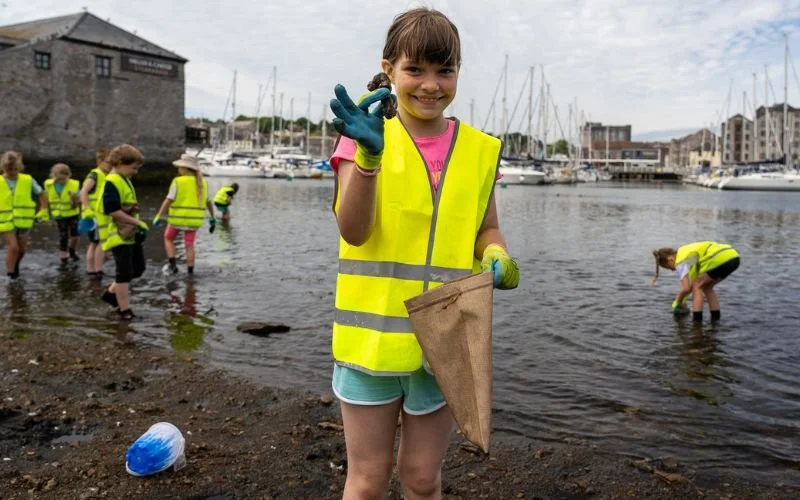
Community members, artists, schools and researchers came together to explore Plymouth Sound through workshops, conversations and creative sessions. Their experiences - walking the shoreline, documenting what they found, sharing what the sea means to them - shaped what the work became.
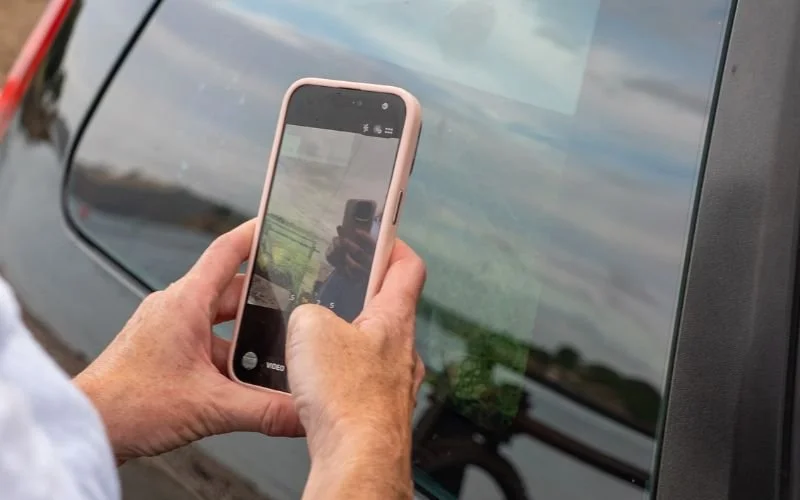
The digital elements of Intertidal were not designed to replace those encounters. They extended them. People who could not physically access parts of the coast could experience them differently. Stories that might otherwise go untold found new ways to reach new audiences.
Because communities helped shape what was created, rather than simply being presented with somebody else's interpretation of Plymouth Sound, Intertidal also demonstrates the importance of co-design.
Other projects have taken very different approaches:
● Digital storytelling can reveal the human and natural histories attached to particular locations.
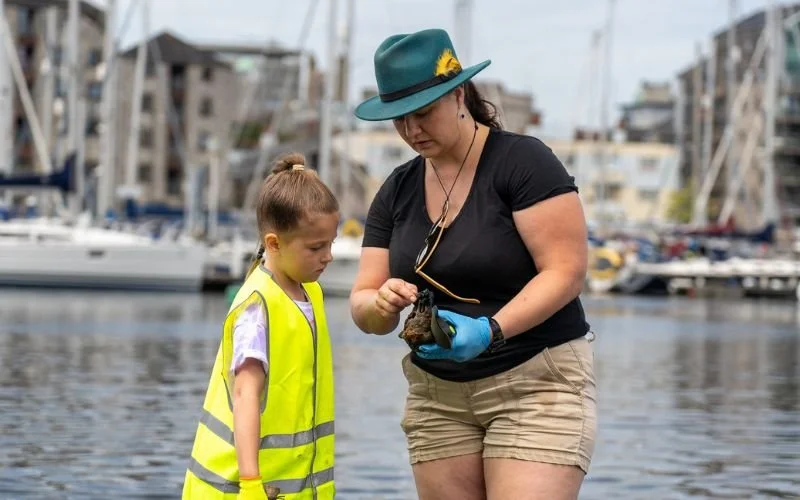
● Citizen science can enable people to record and contribute what they observe.
● Digital trails can help someone explore an unfamiliar part of the coast with greater confidence.
● Immersive experiences can offer an encounter with parts of the marine environment that may otherwise be difficult to access.
The technology might change each time, but it raises the same question or challenge: what does it enable someone to experience, understand, or contribute that they couldn't before?
Professor Willis describes this as a pathway to marine citizenship. It begins with a first encounter and can, given the right conditions, lead to active participation in decisions about the sea's future. Citizen science is one of the most powerful steps on that path.
"You might look at the marine environment, notice some animals in the rocks, and realise you can record them - that you can be part of a whole global community understanding them," she says. "And that can contribute to real science and real decision-making. People start to understand that the sea is not just someone else's thing, that they can take care of it."
A bridge, rather than a destination
Digital engagement is at its strongest when we stop thinking of it as a substitute for physical experience.
A digital experience might give somebody the confidence to make their first visit to the coast. It might reveal a story hidden in a place they walk past every day or help them identify what they have found in a rock pool.
And it can begin before somebody reaches the water and continue long after they have left.
For organisations working with coastal communities, like the National Marine Park, this matters because it shapes what we're trying to achieve in the first place.
Rather than asking "what digital product should we create", we can start by asking what kind of relationship we are trying to enable, who we want to involve, and where digital technology might genuinely help.
That might then lead to an app, an immersive experience or a game - or sometimes a relatively simple piece of digital storytelling will do more.
And it could mean that it's not digital at all - or digital for the sake of 'doing digital'.
There is something Professor Willis wants to make sure does not get lost in the conversation about technology.
"When I'm talking about engagement with the sea, I'm really thinking about the role of culture," she says. "It's about a creative and cultural experience of the sea. Not digital as a technical solution. It's about the richness and value that culture brings."
For Plymouth, that matters. The sea is woven into the city's identity. The stories people tell about it - and the new stories still waiting to be told - are part of how communities come to feel that Plymouth Sound belongs to them.
"Digital enables us to imagine other spaces and be creative," she says. "It can bring people both to the real place and help them imagine it - storytelling and culture as part of how we connect with our natural environment."
What this means for Sea for Yourself
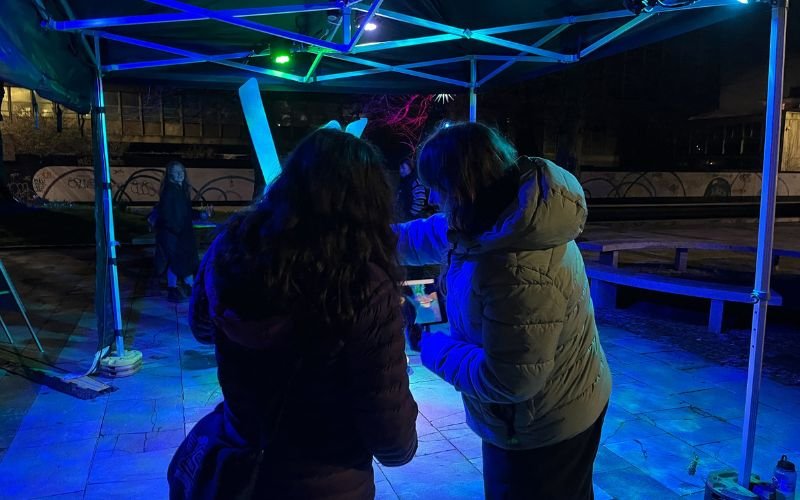
Sea for Yourself is a four-year programme exploring how art, storytelling, participation and digital innovation can help people across Plymouth develop their own relationship with Plymouth Sound.
One of the early understandings we formed is that that relationship will look different for everyone.
For one person, the route in might be exploring marine wildlife. For somebody else, it could be heritage, wellbeing, family history, migration, creativity or the experience of taking part in something alongside other people from their community.
Artists have an important role here because they tend to approach place differently. They can work with communities to uncover stories, make complex ideas tangible and create experiences that allow people to respond emotionally.
And by embracing digital practice, it gives artists another set of tools to achieve this in different ways.
For the rest of the Sea for Yourself programme, we have an opportunity to continue exploring how those tools can complement creative and physical experiences, particularly when we are trying to reach people who have not traditionally engaged with Plymouth Sound, marine activity or cultural programmes.
We should also be prepared to learn where digital approaches do not work. If we are serious about widening participation, understanding the barriers created by technology is every bit as important as understanding the opportunities.
Professor Willis identifies two things organisations need to watch. First, digital tends to be treated as separate from core work rather than built into it. "A lot of organisations just aren't seeing this as part of what they do," she says. "People working with the sea are very engaged with the day-to-day, but they don't necessarily have the digital skills. Build that up across the whole team - and don't see digital as just social media, or as something you outsource."
Second, digital inclusion. Most people have a phone, but that doesn't make every digital experience equally accessible. Low data requirements, offline options and plain language are not extras. They are the difference between a project that widens participation and one that creates new barriers.
Sharing what we are learning
Alongside the wider Sea for Yourself programme, this research has resulted in a new practical resource: the Digital Marine Citizenship Toolkit. Developed by Professor Katharine Willis and Kizzy Beaumont at the University of Plymouth in partnership with Plymouth Culture and Plymouth Sound National Marine Park, the toolkit was supported by the Arts and Humanities Research Council through an Impact Acceleration Award.
Designed for people working with coastal and marine communities, the toolkit brings together research, practical guidance and examples of different approaches to digital engagement.
It considers everything from storytelling, navigation and citizen science to immersive experiences and participatory decision-making. Crucially, it also asks practitioners to think about inclusion, co-design, maintenance and evaluation rather than treating the technology itself as the measure of success.
It offers a framework that community organisations, cultural practitioners, educators, local authorities and environmental and marine organisations can adapt to their own places and communities.
Interest is already coming from well beyond Plymouth - from coastal cities and organisations across the UK who are beginning to see what a more joined-up approach to digital marine engagement could look like.
Where next?
As home to the UK's first National Marine Park, Plymouth has an opportunity to explore not only how we protect and celebrate an extraordinary marine environment, but how we enable more people to develop a meaningful relationship with it.
That involves facing some challenging questions:
● Who is participating and who isn't?
● What prevents people from developing a relationship with the sea? How do we create experiences that feel relevant to different communities?
● And how do we know when an encounter has led to something deeper than a visit or a click?
We can't answer those questions with digital technology alone, but this work shows it can give us new ways to explore them.
When technology is rooted in place, developed with communities, and combined with creative, real-world experiences, the screen doesn't have to take us away from the shoreline.
Sometimes, it can help us find our way there.
Find out more
● Explore the Digital Marine Citizenship Toolkit and the research behind it.
● Find out more about Plymouth Sound National Marine Park.
● Discover Sea for Yourself and the programme's work with communities across Plymouth.
The Digital Marine Citizenship work was led by the University of Plymouth in partnership with Plymouth Culture and Plymouth Sound National Marine Park, with support from the Arts and Humanities Research Council through an Impact Acceleration Award.
