
Sea for Yourself brings tides, stories and creativity into communities across Plymouth
This autumn, Sea for Yourself is inviting people across Plymouth to explore the city’s relationship with the sea in new and unexpected ways, with a programme of workshops, conversations, creative activities and community events taking place across the city.
The programme accompanies Intertidal, artist David Cotterrell’s major new commission for Sea for Yourself launching on the 3rd September 2026, which explores the constantly shifting relationship between land and sea and asks us to think differently about how Plymouth is shaped by tides, water, infrastructure and our own connections with the ocean.
But experiencing Intertidal won’t just be about encountering the artwork itself. Through Tide Together, artists, community organisations, schools, families, researchers and residents will be taking part in a much wider programme of activity around the commission; from making zoetropes and mapping memories of the sea to conversations about tides, creative workshops, singing, digital experimentation and activities for young people.
Making sense of the tides
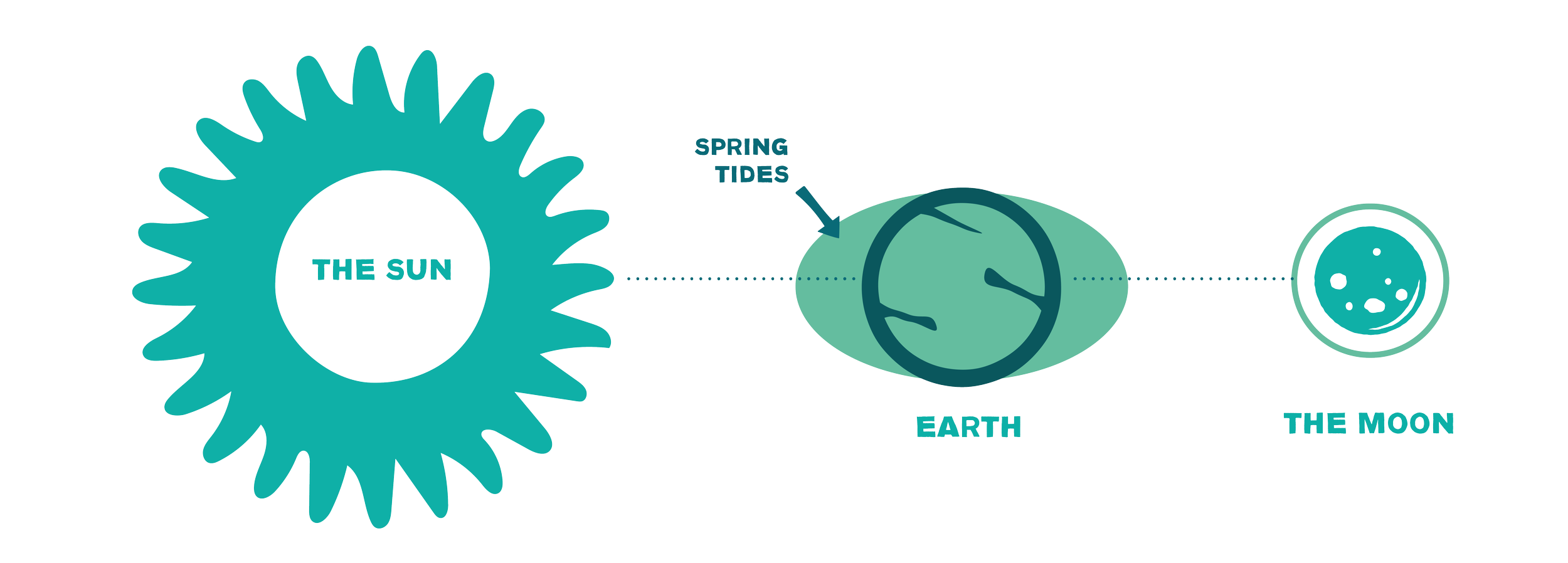
One of the key strands of the programme will be a series of Tide Cafés, led by artist and facilitator Sophie Mellor.
Rather than a traditional talk, each Tide Café will be a free, informal drop-in where everyone is part of the conversation. Local people, artists and those with specialist knowledge of Plymouth’s marine environment will come together simply to chat, share stories, swap knowledge, ask questions and listen. What you know, remember, notice or wonder about is just as important as anyone else’s; there are no experts and audience here, just people talking about the tides and what they mean to us.
Starting with the tide, conversations might move into memories of the sea, changing coastlines, wildlife, climate, hidden waterways or simply what living in an Ocean City means to the people who call Plymouth home.
The first takes place at Market Hall, Devonport, on Saturday 19 September from 11am–1pm, followed by an evening Tide Café at Efford Library on Thursday 24 September from 6–8pm.
A third session is planned to take place in Plymouth’s East End on Saturday 10 October from 2–4pm. More will be announced in the coming weeks.
They are designed to be relaxed, accessible spaces where people can drop in and join the conversation.
Turn the moon into a moving picture
Families will get an early opportunity to explore the science and creativity behind the tides during SeaFest, with artist-led activities taking place across the weekend of 12 and 13 September.
Artist Sophie Mellor will be helping visitors make their own Moon Zoetropes; simple handmade animation devices that bring sequences of pictures to life.
Using the phases of the moon, changing tides and the plants and creatures of the intertidal zone as inspiration, the activities combine art, animation and science in an activity families can make and take home.
Drop-in sessions will run at Quay Square on the Barbican from 10am–4pm on Saturday 12 September, followed by Royal William Yard from 10am–3pm on Sunday 13 September.
Colouring activities and other simple creative resources will also help younger children begin discovering why the moon and sea are so closely connected.
Where do you find the sea?
The sea might seem to begin at Plymouth’s waterfront, but artist Rosemarie Corlett will be asking people to look for it somewhere else entirely.
Her Hidden Tides: Mapping the Sea Within the City workshop at Royal William Yard on Sunday 20 September will explore the idea that the boundary between land and sea is far more porous than it first appears.
Participants will contribute to a collective map of Plymouth, recording the unexpected places where the sea makes itself felt.
That could mean gulls circling a supermarket car park, a road affected by a spring tide, a hidden river, somebody’s daily ferry journey, a family memory, a workplace connected to the water or simply a place where the sea suddenly becomes present in everyday life.
Alongside the map, people will be invited to respond to the simple prompt ‘I find the sea here…’ through words, memories, drawings or poetry.
As contributions are added, an ordinary map will gradually become something much more personal: a collective portrait of Plymouth’s emotional and cultural relationship with the sea.
Where land and sea meet
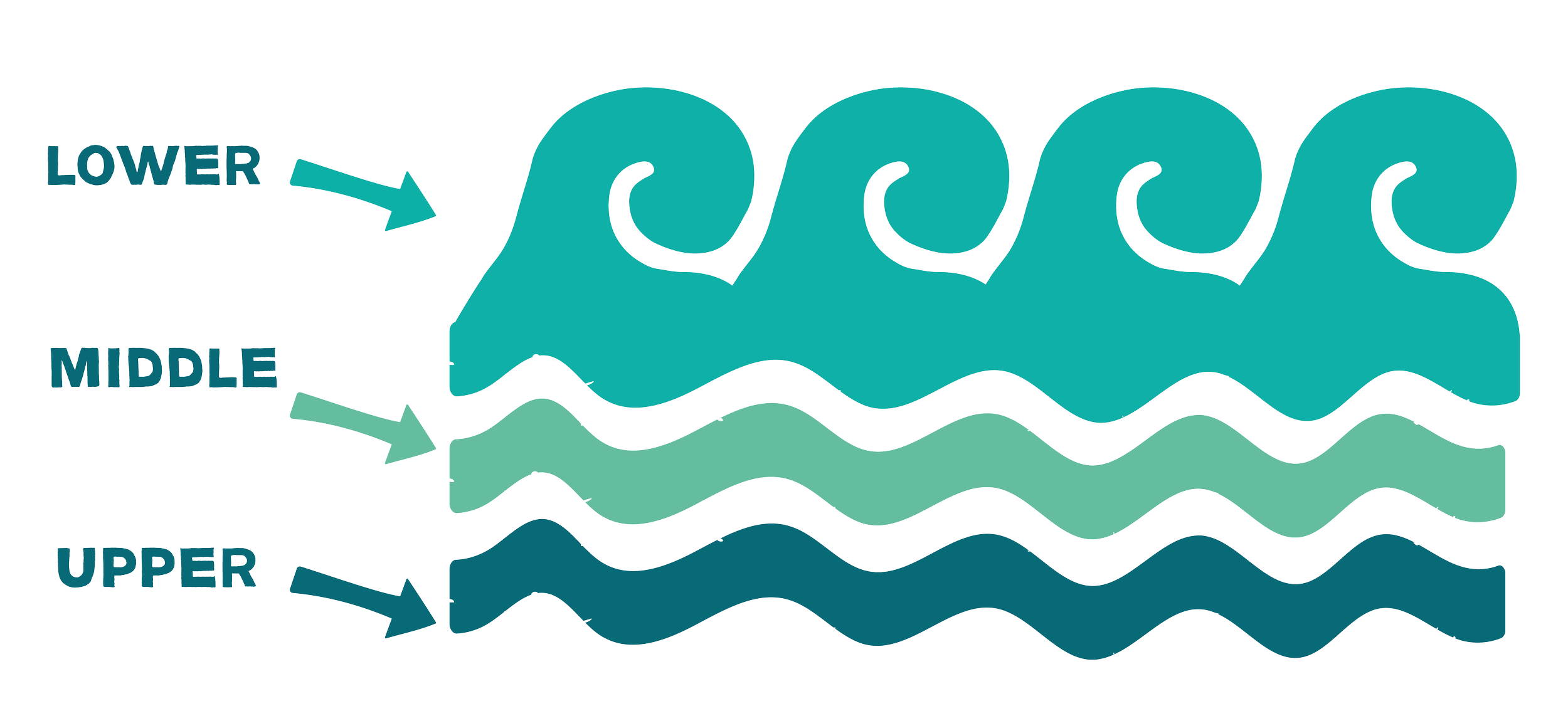
Plymouth Scrapstore will invite people of all ages to take part in two playful creative journeys exploring the invisible place where land and sea meet.
Through making, imagination and conversation, participants will be encouraged to think about what tides mean to them. It might be the feeling of jumping in waves, watching the sea rush in and knock down a sandcastle, seeing a beach transformed as the water disappears, or remembering the sensation of sand shifting beneath your feet.
Using reused and recycled materials – the kind of things that might otherwise end up in the bin – visitors will be able to create models, collages and pictures inspired by those experiences and by the changing intertidal landscape.
The sessions are designed as relaxed, creative drop-ins rather than formal workshops, making them accessible to children, adults and families alike. Plymouth Scrapstore has long seen how making together can spark unexpected conversations between generations, drawing out memories, stories and experiences while people simply get on with the business of playing and creating.
It is an approach that fits perfectly with Sea for Yourself: using creativity to help people notice, remember and talk about their own relationship with the sea.
The first Where Land and Sea Meet session will take place at the Union Street Party on Sunday 20 September from 12.30–3.30pm, followed by a second session as part of Plymouth Art Weekender on Saturday 17 October from 10am–1pm.
Explore the tides through STEAM
It Takes A Village will bring the ideas behind Intertidal to life through a series of hands-on STEAM Stay and Play sessions, giving children and families the chance to explore the science, technology, engineering, art and maths of the tidal world.
Each session will include a different activity across five themed zones, while still leaving plenty of room for children to follow their own curiosity and explore the wider resources available in the space.
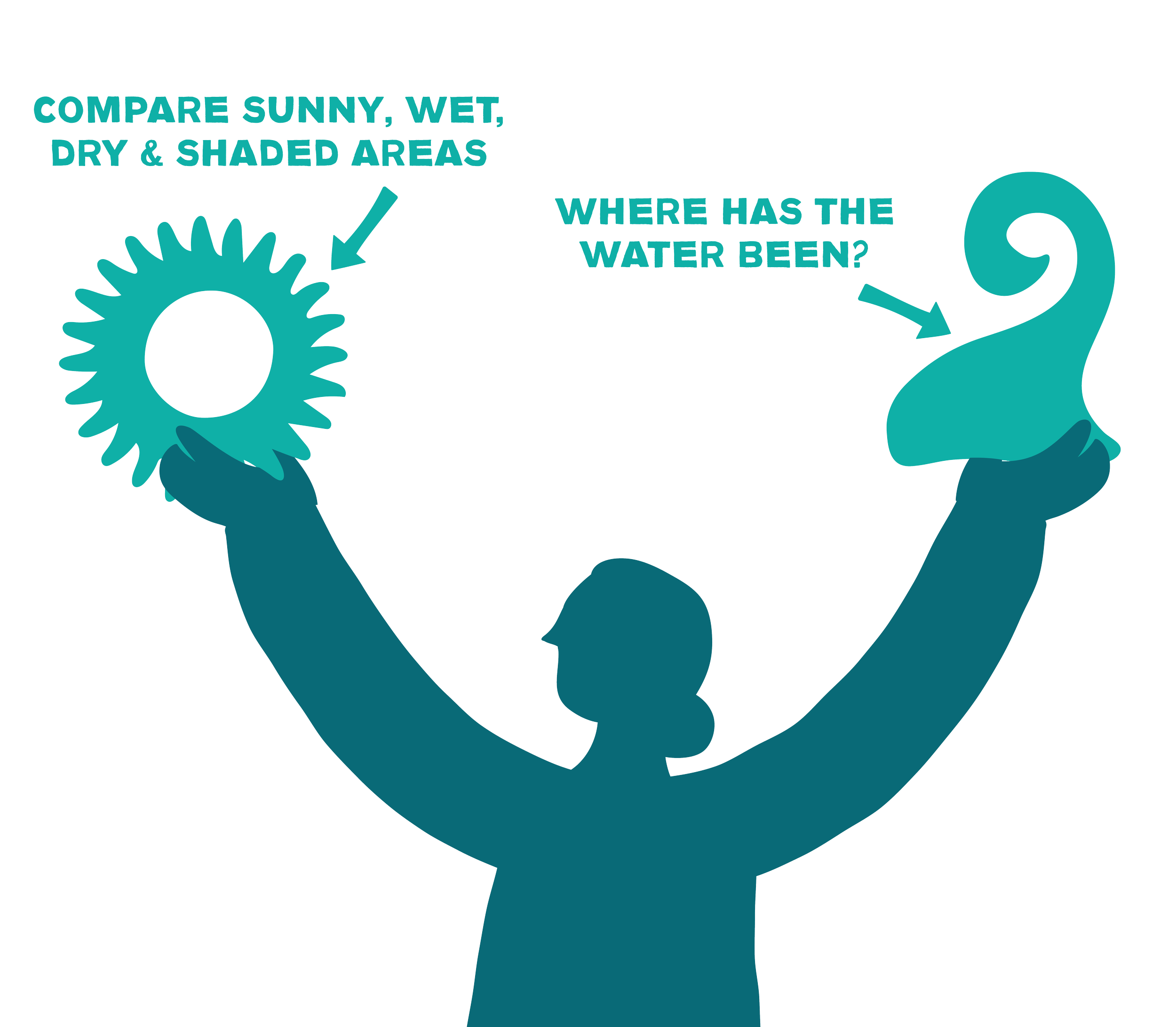
At the heart of the sessions will be a Tidal Pool Experiment, using magnets to represent the Sun and Moon and help children visualise gravity’s pull and understand how different forces interact to create changing tides.
Elsewhere, budding engineers will be challenged to design a tidal energy harvester, using simple materials to create a boat that can harness the power of moving water. In the science zone, children can investigate creatures of the intertidal zone, create an animal classification chart and use microscopes to identify objects found on the beach, from shells to egg cases.
Technology will come into the mix through a coding activity teaching a computer how to identify sea creatures, while the art zone will take inspiration from Hokusai’s famous The Great Wave through painting, cutting and collage. In the maths zone, families will get to grips with real tide timetables and discover how to read and make sense of the changing water levels.
The sessions are designed to be playful and responsive, allowing families to move between activities and build on whatever captures their interest on the day.
Intertidal STEAM Stay and Play sessions take place on Saturday 19 September, Saturday 26 September and Saturday 10 October, from 10.30am–12pm.
A citywide conversation
Other collaborations are taking shape across Plymouth too.
Plans include sea-themed creative sessions with community partners, work with Elder Tree exploring the sea through singing, activities with Precious Plastic, collaborations with Take A Part, and opportunities for communities to explore the project through plain-speaking tours and creative workshops.
There will be opportunities to hear directly from the artist. An artist in-conversation event on 3 September will give Plymouth’s cultural sector an early opportunity to hear more about the thinking behind the work, with a further session being developed for students later in October.
A new artist commission for Plymouth Art Weekender will respond to the themes and ideas of Intertidal, extending the conversation into another part of the city’s creative programme from 16–18 October.
Seeing Plymouth differently
Taken together, the programme is about much more than learning how tides work.
It is an invitation to notice something that can easily become invisible when you live beside it.
The sea is present in Plymouth’s wildlife, weather, engineering, history, language, jobs and journeys. It appears in memories and family stories, underneath streets and alongside roads, in the changing height of the Tamar and Sound and in the rhythms that have shaped the city for generations.
Through making, talking, singing, mapping, experimenting and sharing stories, Sea for Yourself will invite people to rediscover those connections this autumn and perhaps to see the relationship between Plymouth and the sea a little differently.
Further dates and details will be announced as activities are confirmed.
