
A new exhibition opening at KARST in Plymouth this June invites audiences to think differently about the British coastline, not just as a place of cliffs, fossils, beaches and borders, but as something constantly changing.
Faunal Succession is the first institutional UK exhibition by Venezuelan artist Lucía Pizzani, who is based in London. The exhibition opens at KARST, 22 George Place, Stonehouse, Plymouth, PL1 3NY, on Thursday 11 June from 6pm to 8pm.
The show brings together installation, sculpture, painting and sound, creating three immersive environments that explore the relationship between the natural world, geology, migration, identity and climate change.
For audiences who do not regularly visit contemporary art exhibitions, the starting point is simple: this is an exhibition about the coast, the layers of the earth beneath our feet, and the stories those layers can tell us about the past, present and future.
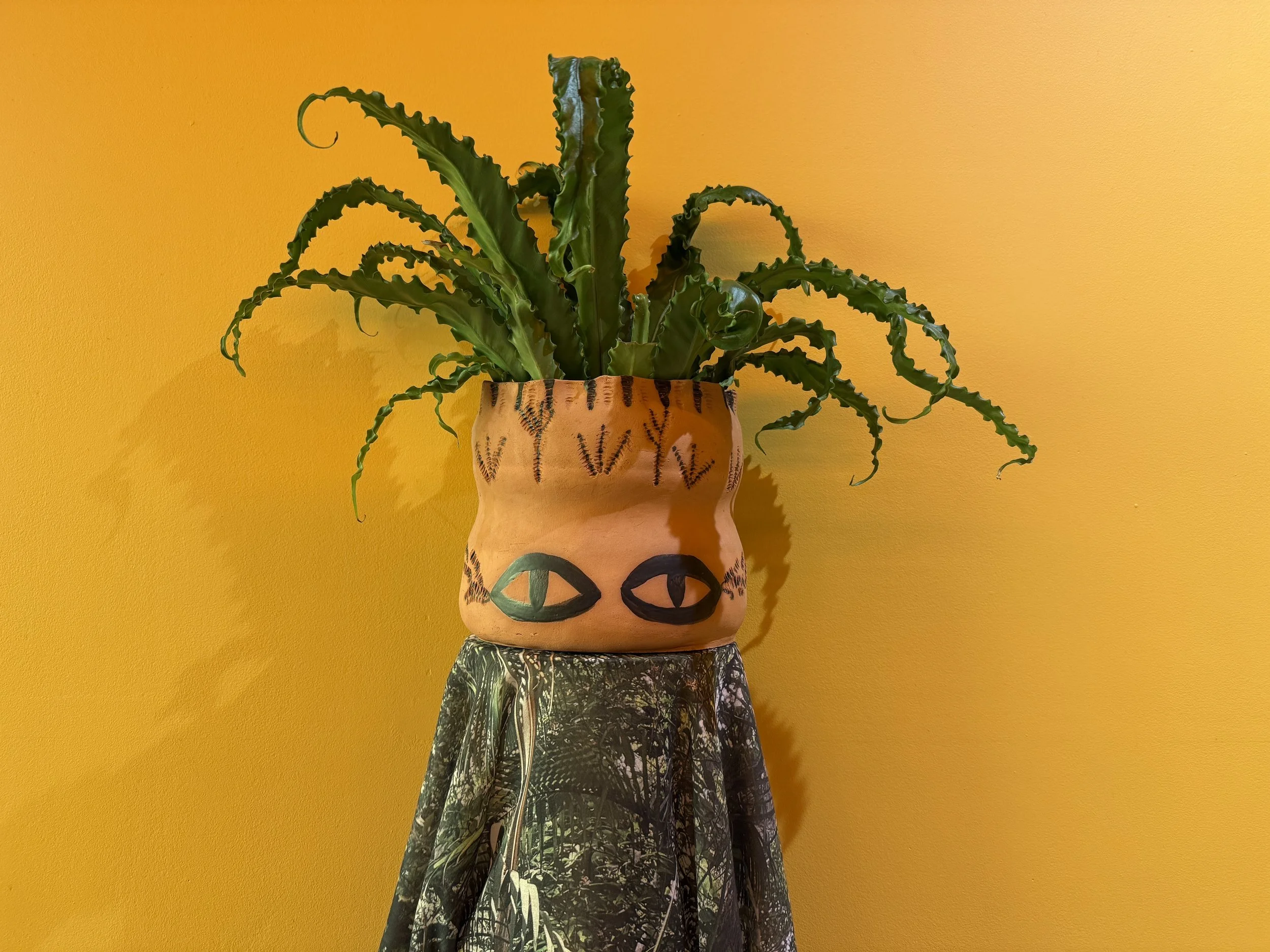
Heart’s tongue fern being #1 (2025), Lucia Pizzani
What does Faunal Succession mean?
The title Faunal Succession comes from geology. It refers to the way fossils appear in recognisable patterns within layers of rock. By looking at those patterns, geologists can understand how old different rock layers are and build a timeline of the earth’s history.
Pizzani uses this scientific idea as a way to think about people, places and change. Just as the ground contains layers of history, people also carry layers of experience, memory, culture and movement.
“I find the concept of Faunal Succession beautiful because it also allows me to speak about my own layers as a migrant. I think about how permeable I am, and how I have absorbed the cultures of all the places I have lived and how the ground we all step on also contains these multiplicities. If we were able to cut through the earth transversally, we would see all these layers, and each one would tell us something about what has happened in the past …This makes me think about how many things in our daily lives remain invisible yet shape our present and our future.” Lucía Pizzani
In this quote, Pizzani is connecting geology with lived experience. She is asking us to think about what sits beneath the surface, both in the landscape and in ourselves. The rocks beneath us hold traces of ancient life. In the same way, our lives are shaped by places, histories, movements and experiences that may not always be visible.
Why the coast matters
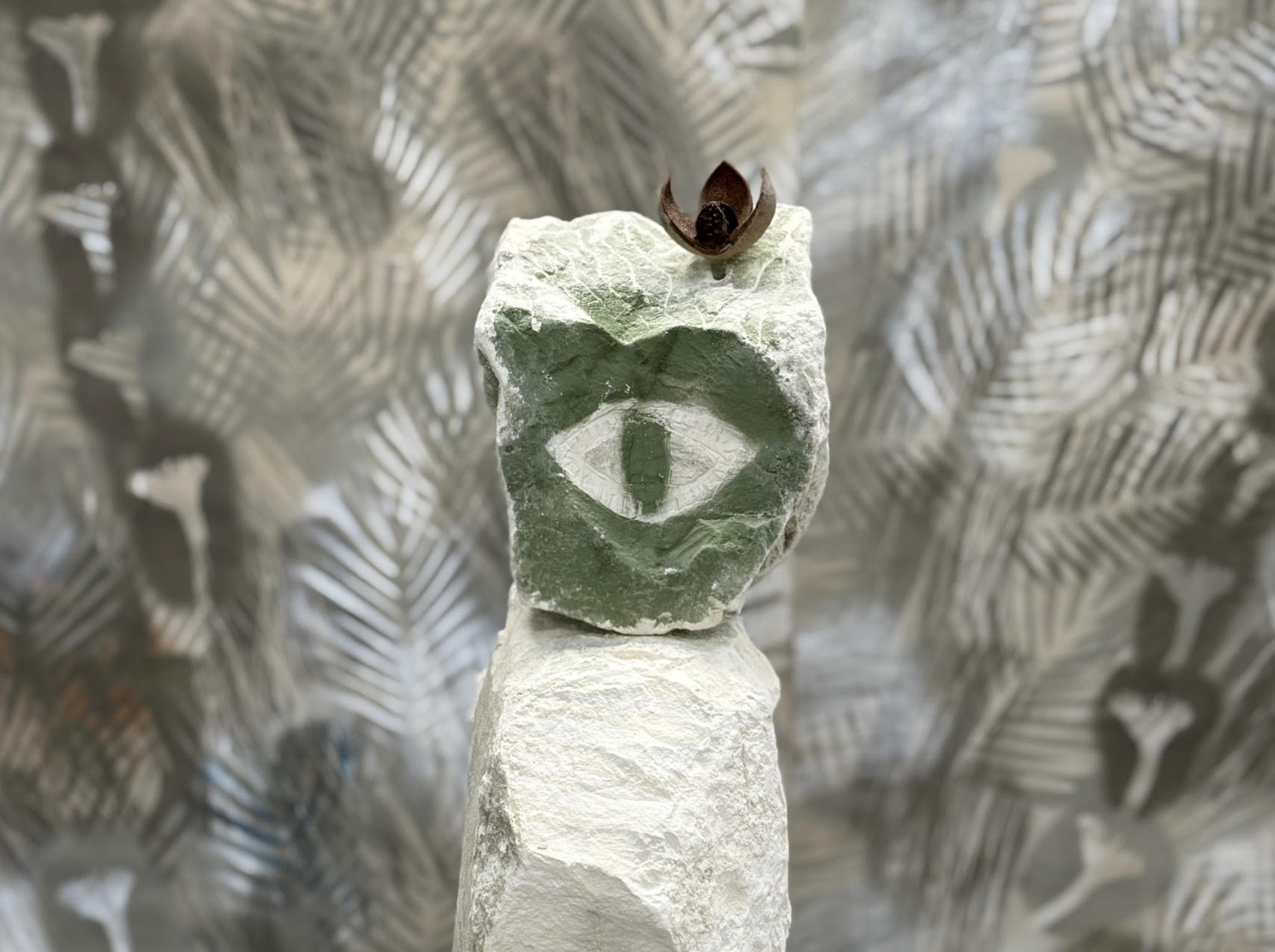
Chalk being (detail) (2026), Lucia Pizzani
At the centre of the exhibition are sculptural works made from chalk. Chalk is strongly connected to British coastal identity, particularly through the image of the white cliffs.
But Pizzani looks at chalk differently. Rather than presenting it as something solid, permanent or symbolic of national borders, she focuses on the fact that chalk is fragile, changeable and formed over millions of years.
This matters because the British coastline is often used in debates about identity, borders, migration and belonging. Pizzani’s work invites audiences to look beyond those political arguments and consider a much longer story: one in which land moves, coastlines shift, species change and borders are human inventions.
The exhibition asks timely questions. How do we understand ourselves as an island? What do coastlines mean in a time of climate change? How do migration, ecology and history shape the places we live now?
Why Plymouth?
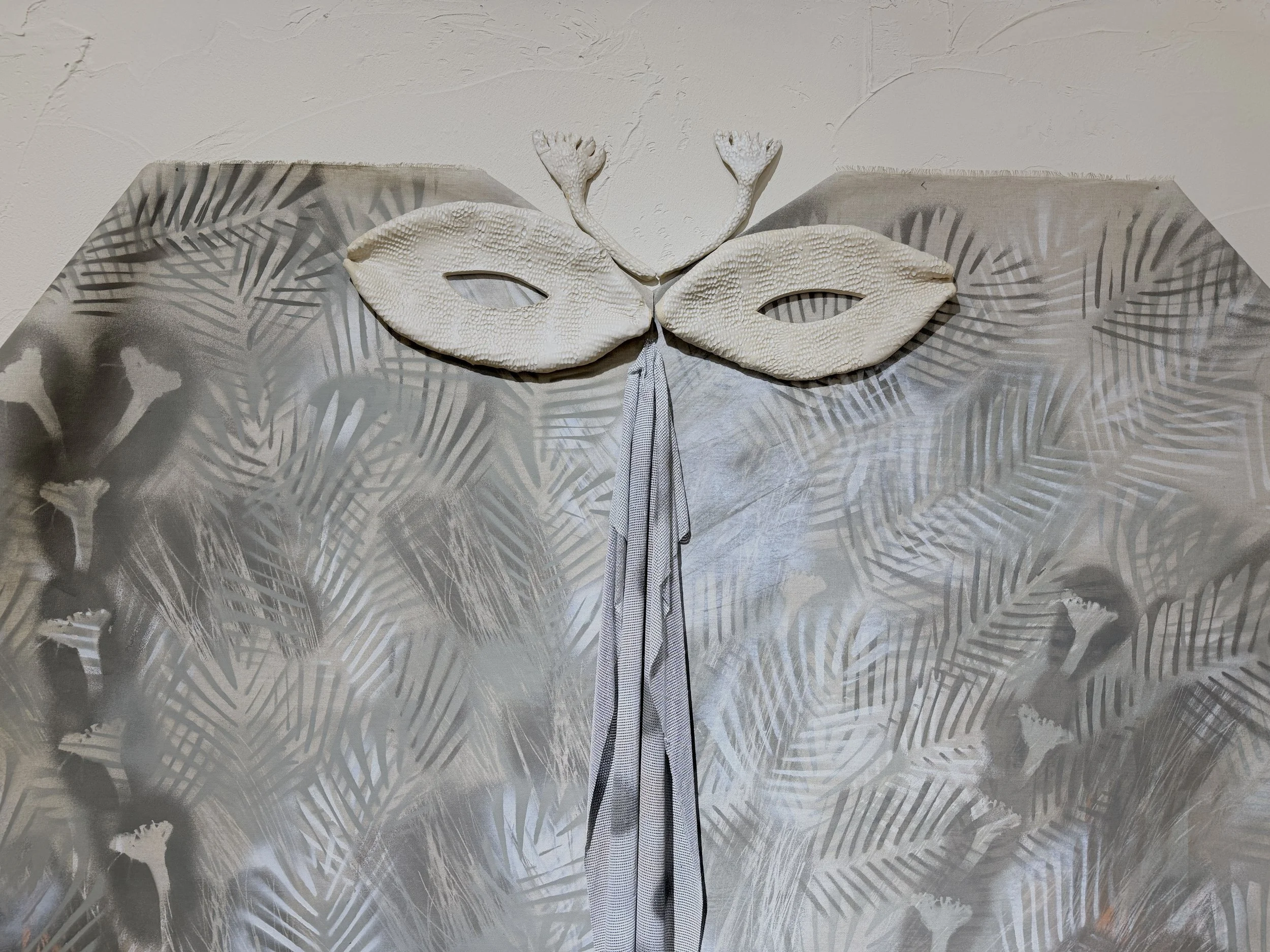
Mantarraya (2025), Lucia Pizzani
The Plymouth presentation of Faunal Succession is especially relevant because KARST is based in Stonehouse, close to the water and within a city whose identity is deeply connected to the sea.
For the KARST exhibition, Pizzani has reworked the first version of the show, which was presented at Focal Point Gallery in Southend. In Plymouth, she also introduces natural history artefacts connected to the South West from The Box’s collection.
This gives the exhibition a local connection, bringing Plymouth and the wider South West into a wider conversation about geology, coastal life, migration, identity and environmental change.
Who is Lucía Pizzani?
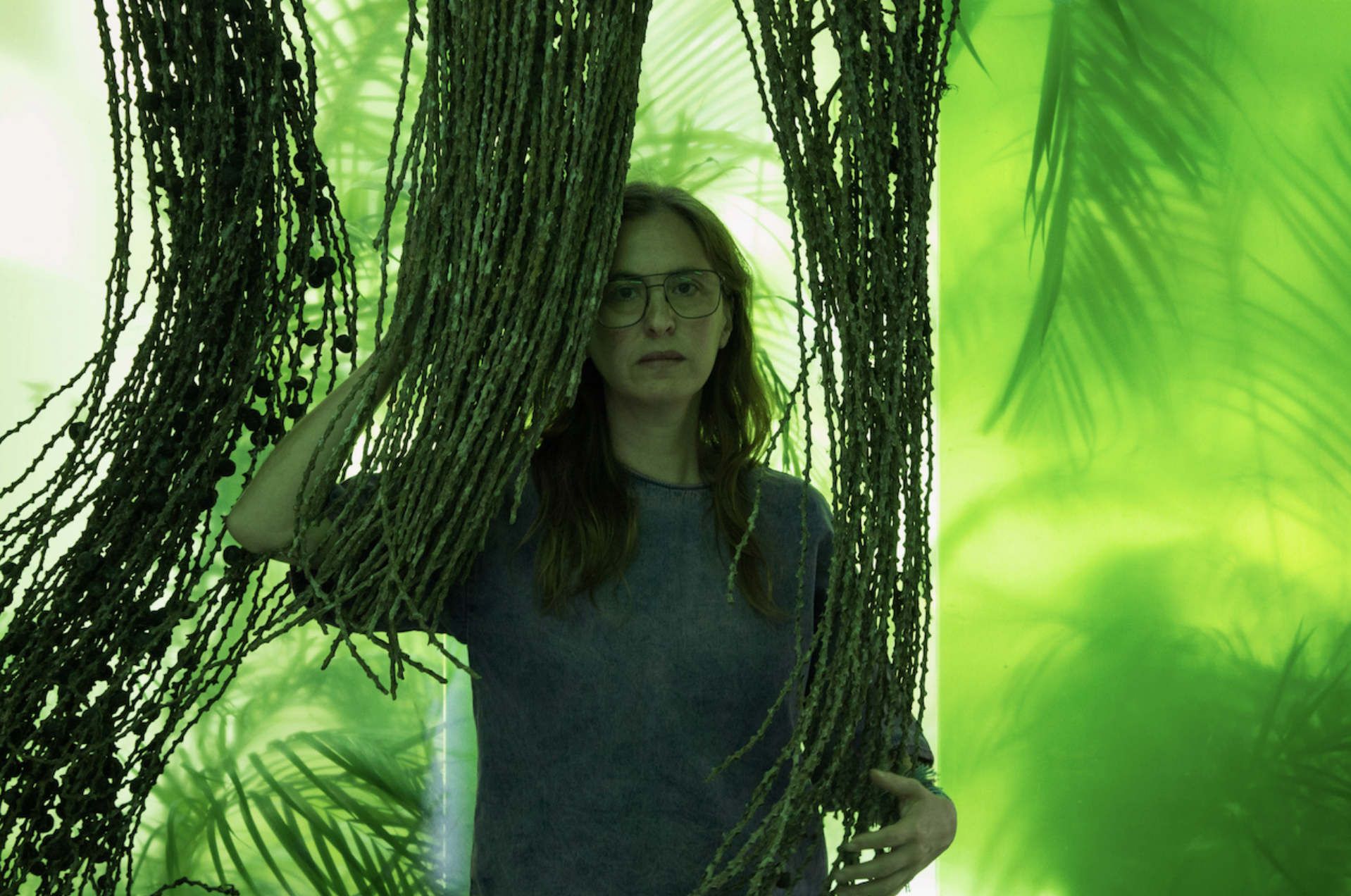
Credit: Eloisa Arias (courtesy of Abra Caracas)
Lucía Pizzani is a Venezuelan artist living and working in London. Her practice includes photography, sculpture, ceramics, performance and installation. Her work often explores the natural world, transformation, history and the relationship between humans, plants, animals and the environment.
She has exhibited internationally, and her work is held in major public collections including Tate, the Government Art Collection UK, Magasin3 in Stockholm and the Essex Collection of Art from Latin America.
Ahead of her solo show at KARST, Pizzani received Southcombe Barn’s 2026 International Women’s Day Award, in partnership with KARST and Cassinelli Mills. This included a residency at Southcombe Barn on Dartmoor, where she ran workshops with local schools and community groups.
About KARST
KARST is an independent contemporary art gallery and artists’ studio space in Stonehouse, Plymouth. It is based at 22 George Place, PL1 3NY.
The gallery is known for supporting ambitious contemporary art and for bringing nationally and internationally recognised artists to Plymouth. It is also an Arts Council England National Portfolio Organisation, which means it plays an important role in the cultural life of the city and the wider South West.
KARST’s ambition is to make contemporary art more accessible, giving more people the opportunity to experience, engage with and participate in new creative work.
Exhibition dates and events
Faunal Succession opens at KARST on Thursday 11 June, 6pm to 8pm.
There will also be an exhibition walk-through with Lucía Pizzani on Friday 12 June, 1pm to 2pm, offering visitors the chance to hear directly from the artist about the ideas behind the work.
KARST’s Head of Programme, Ben Borthwick, will lead Curator’s Tours on 26 June and 24 July, 1pm to 2pm.
The exhibition is part of a wider UK tour, with presentations at Focal Point Gallery in Southend, KARST in Plymouth and Mostyn in Llandudno in spring 2027.
Faunal Succession offers Plymouth audiences the chance to experience contemporary art that connects the local coastline to global questions of climate, migration, history and belonging. It is an exhibition about what lies beneath the surface and why those hidden layers matter.
