
In Conversation: Judy Harington on art, activism and our relationship with the natural world
What’s On Plymouth Culture reporter and fashion designer Victoria Lammie caught up with Judy Harington to talk about her art practice, activism and her up and coming collaborative work she’s showing at Plymouth Art Weekender later this month.
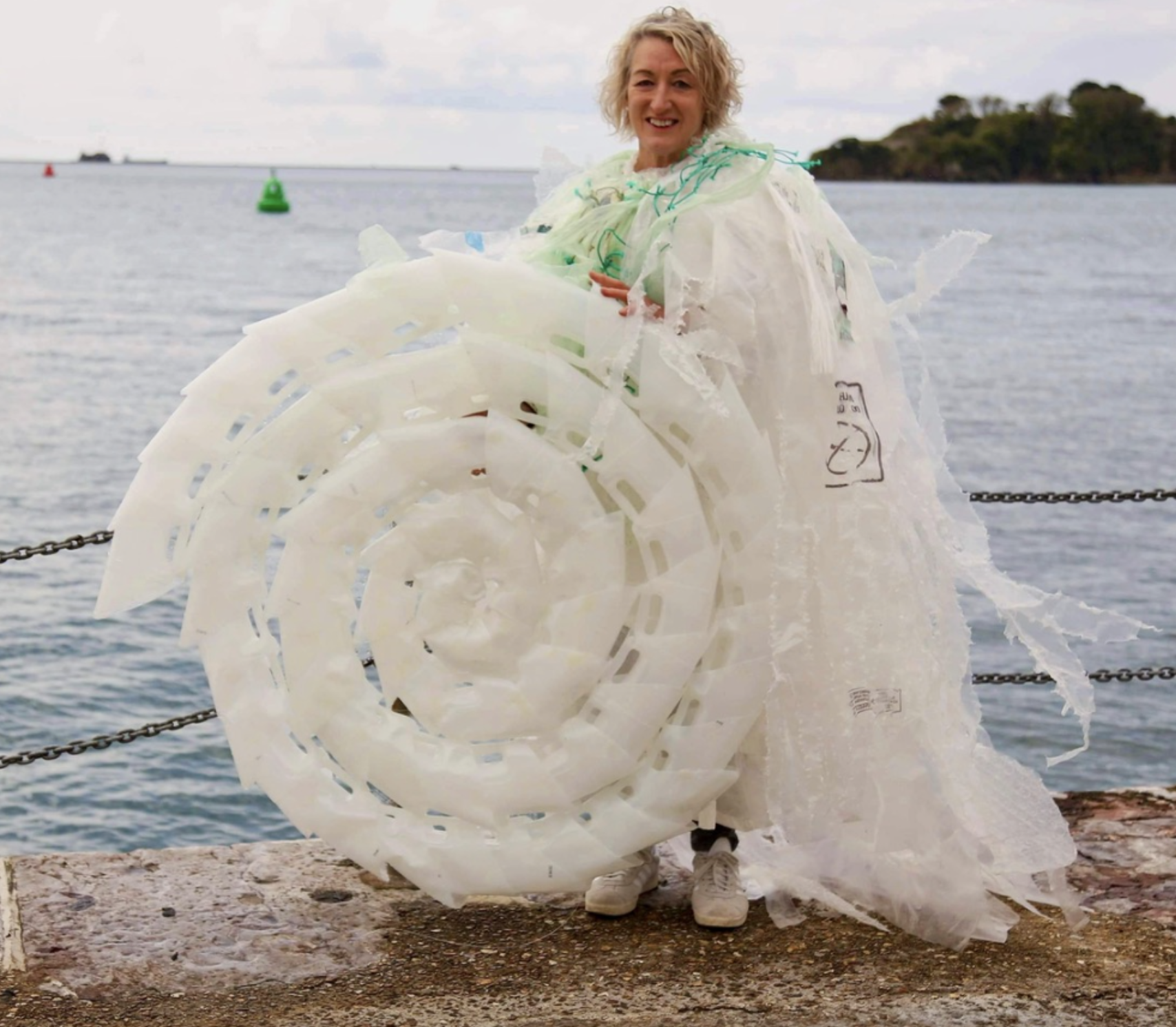
Image - Toria Scawn
Can you tell me about your art practice?
My inspiration mainly comes from the sea and the marine environment and nature on our doorstep. I often find things when walking and sea swimming and bring them home. I then go on to create work largely around that. I feel art is primarily about our response to the things around us and our relationship with it, and sharing and communicating that to others. I hope that I can convey something about my feelings for the world and nature, and the impact human kind has on the planet, through my work.
My work is diverse and includes drawing, painting, print making, expanding to sculptural work, ceramics and installation. I’ve even made a film. I particularly enjoy working collaboratively, throwing ideas around and engaging with others. I feel that art is personal but needs to be shared.
You describe yourself as an activist. Could you explain more about this?
Much of my work has been in response to the destructive impact that human kind is having on our precious world. Across the planet money, power and greed are trumping any concerns about the environment and climate change, accelerated by wars and the continued burning of fossil fuels. Back in 2019 I was a member of ‘Extinction Rebellion’ . I was amongst those on Waterloo Bridge in London talking to passers by about climate change! At that time many were ignorant, but now there’s no excuse. Everyone can make a difference.
I think much of my work is about protest or is a protest. Whether it’s fish bones in a fish tank or the huge spiral fossils I make from plastic milk bottles. I have an alter ego called ‘Poly-mer’: a plastic packaging fish chimera created for a performance where I dressed as a fish swimming into a wire cylinder like a giant rubbish bin, then buried in plastic rubbish. She’s been very successful in attracting attention and questions, particularly from children, about the issues. She’s appeared at many environmental protests. In 2020 I collaborated with fellow artist and scientist Kate Crawford on a project called ‘Waste of Our Time’ sponsored by the ‘Preventing Plastic Pollution Coalition’, the core of which was community engagement to educate people about plastic pollution. Poly-mer took centre stage for workshops with children. I feel educating young people is key to solving the crisis we are in.
What are you currently working on?
I’ve been running cyanotype workshops with small groups in my garden. But with autumn upon us the light is no longer optimal, so I’m turning my attention back to ceramics, planning to make more sculptural forms reflecting on the body and relationships. I'm also working with Plymouth Artists Alliance for ‘Plymouth Art Weekender’ that's coming up.
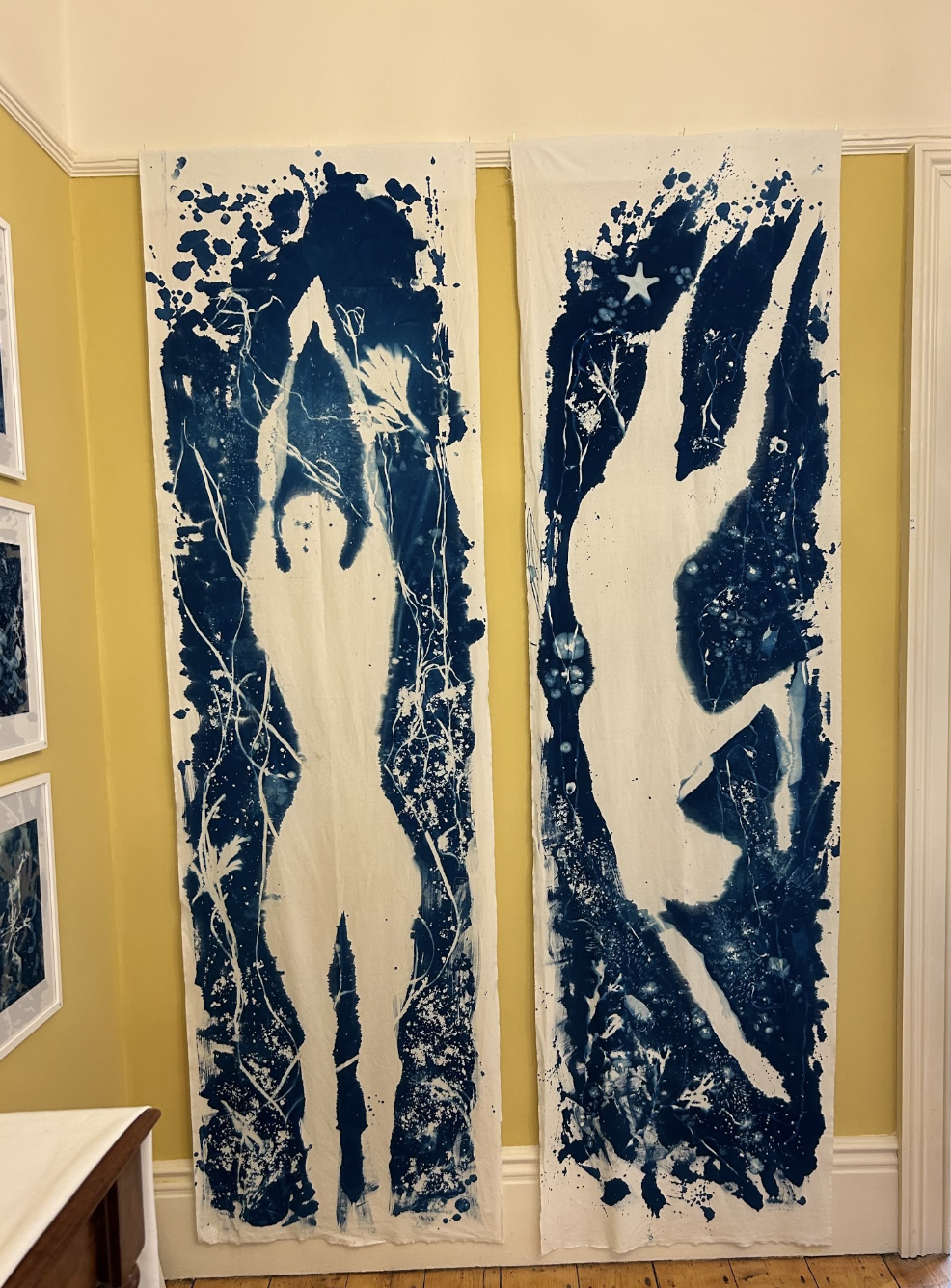
Image - Victoria Lammie
You’re taking part in Plymouth Art Weekender later this month. Can you explain what you will be showing there?
We are creating an installation called ‘Thirst’ at the ‘Leadworks Gallery’ in Rendle Street which reflects on our need for water and our affinity with it. Visitors will be encouraged to consider their relationship with water. We hope to get feedback about what people feel, and their favourite watery locations. I’m hoping that some of my cyanotype hangings will be part of the installation. I’m also looking for more opportunities to show ‘The Insatiables’. Judy then asks me if she can explain more about them. ‘The Insatiables are life-sized, plastic packaging body casts. They’re rather unsettling figures with logos and barcodes, translucent, with a rather alien ethereal quality about them. They invite people to question their relationship with plastic, but they are also about consumerism. Almost everything seems to be made from or wrapped in plastic. I can’t help being concerned about the effect on our bodies and the wider environment. We are ingesting plastic in the food we eat, the water we drink, the air that we breathe and I think it’s important that people reflect on that and consider what they might do to reduce their plastic use.
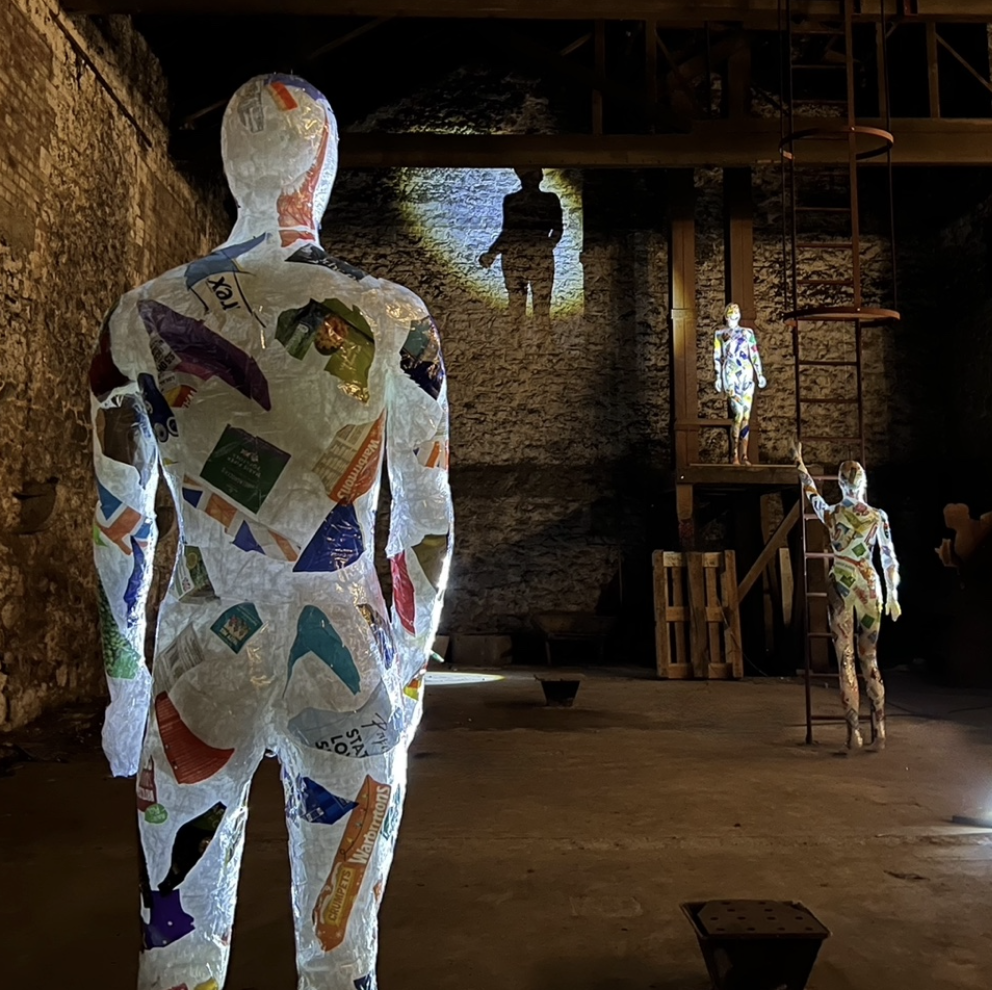
Image - Judy Harrington
What are your plans for the future? And where can the public see you next?
You can find me during ‘Plymouth Art Weekender’16-18 October at Leadworks Gallery. Moving forward I’m looking to do more collaborative work with other artists. I’m also going to be creating more sculptural ceramics particularly reflecting on the body and relationships.
Seeing Judy’s art practice first hand and having the opportunity to chat with her has been incredibly insightful. There are two distinct sides to what Judy does, and her work is both beautiful and thought provoking. There are often deeper hidden meanings behind what she creates. As an activist, Judy is passionate about our planet and deeply concerned about the damage being done to it and the wider climate crisis. Her work brings these concerns to the forefront in a way that is both creative and powerful.
Be sure to visit ‘Plymouth Art Weekender’ from the 16th-18th of October https://plymouthartweekender.com/
