
What’s On Plymouth Culture Community Reporter and Fashion Designer Victoria Lammie chats to Jenny Ayrton from the Art and Energy Collective to find out all about who they are and what they do.
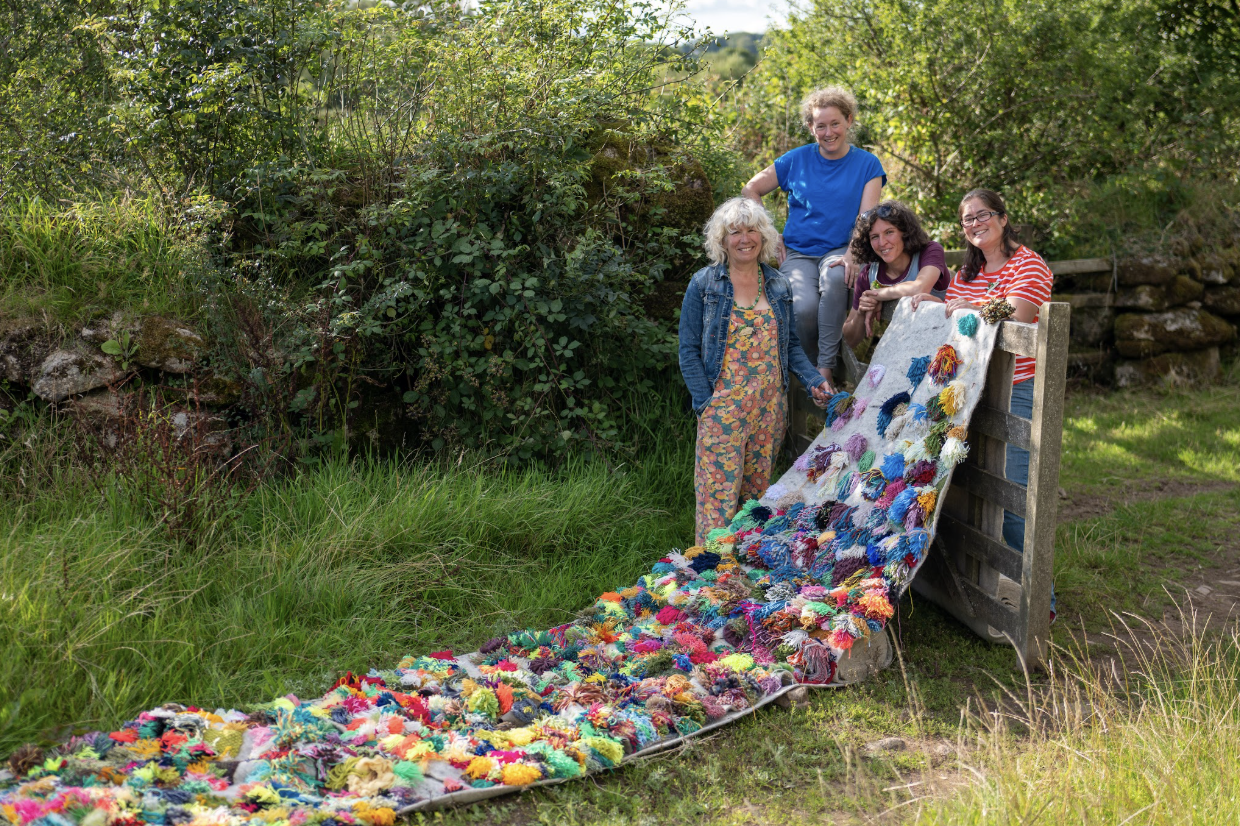
Photo credit: Art & Energy
For people discovering At and Energy Collective for the first time, how would you describe who you are and what you do?
We design and deliver creative projects around the climate emergency, trying to avoid making it sound scary and daunting by focusing on the positive and the ‘what we can do’.
When did you first come together and what was the spark behind it?
Chloe and Naomi met each other in 2018. Chloe was working in the renewable energy sector and Naomi is an artist and ecologist who is fascinated by play. So they came together aiming to make the energy sector more interesting working out how they could engage people to think about energy. When I first met them back then Naomi described looking at the world through an energy lens, for me it was like somebody had just opened another set of blinds to a totally different world. When you start looking at the world through an energy lens, the world suddenly becomes a very interesting place. So that’s how Art and Energy first came about by those initial projects, where Chloe and Naomi were working together and playing together and creating together with other people. They invited other people in to have those conversations about the energy landscape. I’m a glass artist. They came to me to learn about etching and engraving onto the surface of solar panels, thinking about making solar panels more aesthetically interesting and desirable. The energy lens that they introduced me to made me switch across very quickly to be part of the team, as I was using furnaces and so on and using lots of energy at the time to make my artwork. Once I had realised there was this whole invisible infra structure that was holding that up and the impact it was having on the world I joined the team and we went from there!.
Your work brings together art, nature, energy and climate action. Why is that intersection so important to you?
For me personally it seems really natural and obvious that those connect but for a lot of people they are quite disparate and if you reverse the order of the points in the questions then climate action is necessary because of the energy imbalance caused by human actions which in turn is affecting the natural balance of the world. But also it goes both ways as we can draw inspiration from the natural world to readdress that balance. That in itself can be seen as so huge, overwhelming and scary and complicated. But by bringing art and creativity into it, it then makes it more accessible and more interesting and digestible so by bringing in creative practices and methods it then makes that whole larger topic attainable and understandable.
Do you have any past projects that feel particularly important in shaping the collective identity?
We began to do some work with the Plymouth energy community and we were aiming with a project called ‘Moths to a Flame’ thinking about the way that moths are attracted to light into situations that are really hazardous for them quite often and our human relationship with energy and light, big screens and technology. We were working on a project before the covid lockdown where we were going to work with communities in Plymouth to make model moths. Cop 26, United Nations Climate Change Conference was coming to the UK for the first time in Glasgow. So we had been having conversations with the Plymouth Energy Community, we had said it was amazing how Cop 26 was coming to the UK, but we are in Plymouth and the conference is in Glasgow and most people in Plymouth wouldn’t feel any connection to it. So we came up with a project we were going to go into communities and into schools and make 2020 moths which we would have then created a small installation in Glasgow. Then covid happened and we had all these workshops in our diaries and a small amount of funding. Thinking on our feet we ended up putting the project online taking some quite substantial risks in terms of the small pots funding we had so for example we commissioned an augmented reality colouring sheet which was developed from a company in New Zealand and we put this out there. The project flourished in around 18 months, we gained small amounts of funding here and there and we ended up with over twenty thousand moths. We took them up to Glasgow to the Botanic Gardens and we installed all the moths we filled at Kibble Palace and the main room, which are all large beautiful glass houses full of plants from all over the world. Among the plants and moths we also had ceramic vessels which we made at Flameworks in Plymouth. Throughout the project we had invited people to record messages for world leaders calling for change. So as you walked through the botanic gardens you could hear these messages playing. We had so many different people visit including politicians and world leaders and it was just a wonderful thing. It seemed to bring hope and joy! It was a fantastic project that involved people from all over the world making moths. Even now when I think back it still sends tingles and I can’t believe we did that.
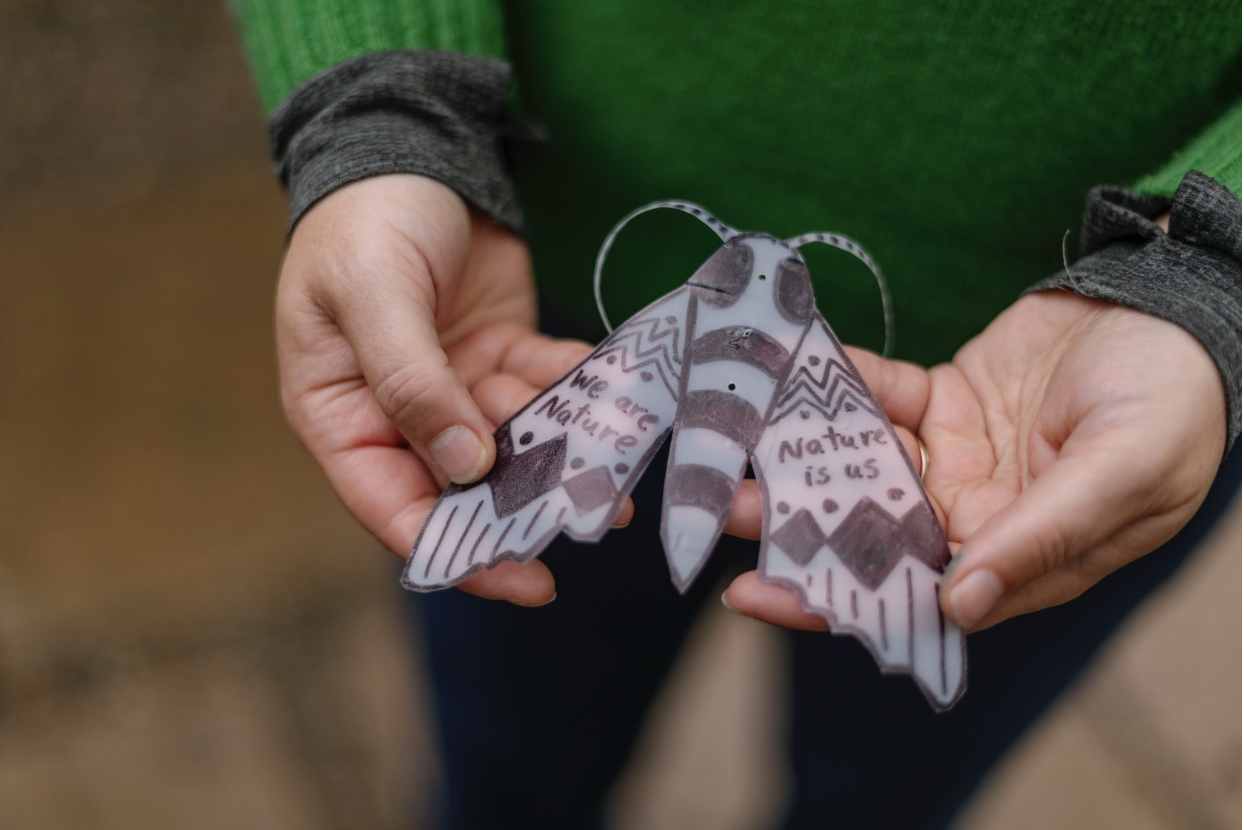
Photo credit: Art & Energy
What have you learnt from working on participatory projects with communities?
We were really fortunate that after ‘Moths to a Flame’ we applied for funding with Plymouth Culture who were supporting local organisations to do some developmental work which gave us time to look back over ‘Moths to a Flame’ which is something we are not good at, we tend to rush ahead to the next thing. Plymouth Culture supported us in making time and spending time with others who had been part of the project to look at what we’d learnt. Through this we developed our ‘Compass’ . It has a whole list of things that we felt were important elements that came into ‘Moths to a Flame’, whenever we are developing a new project we look back to that and we don’t take every compass point with every project. One of the important ones that I think isn’t unique to art and energy but is something again we try with every project is to make sure that we have multiple ways in.
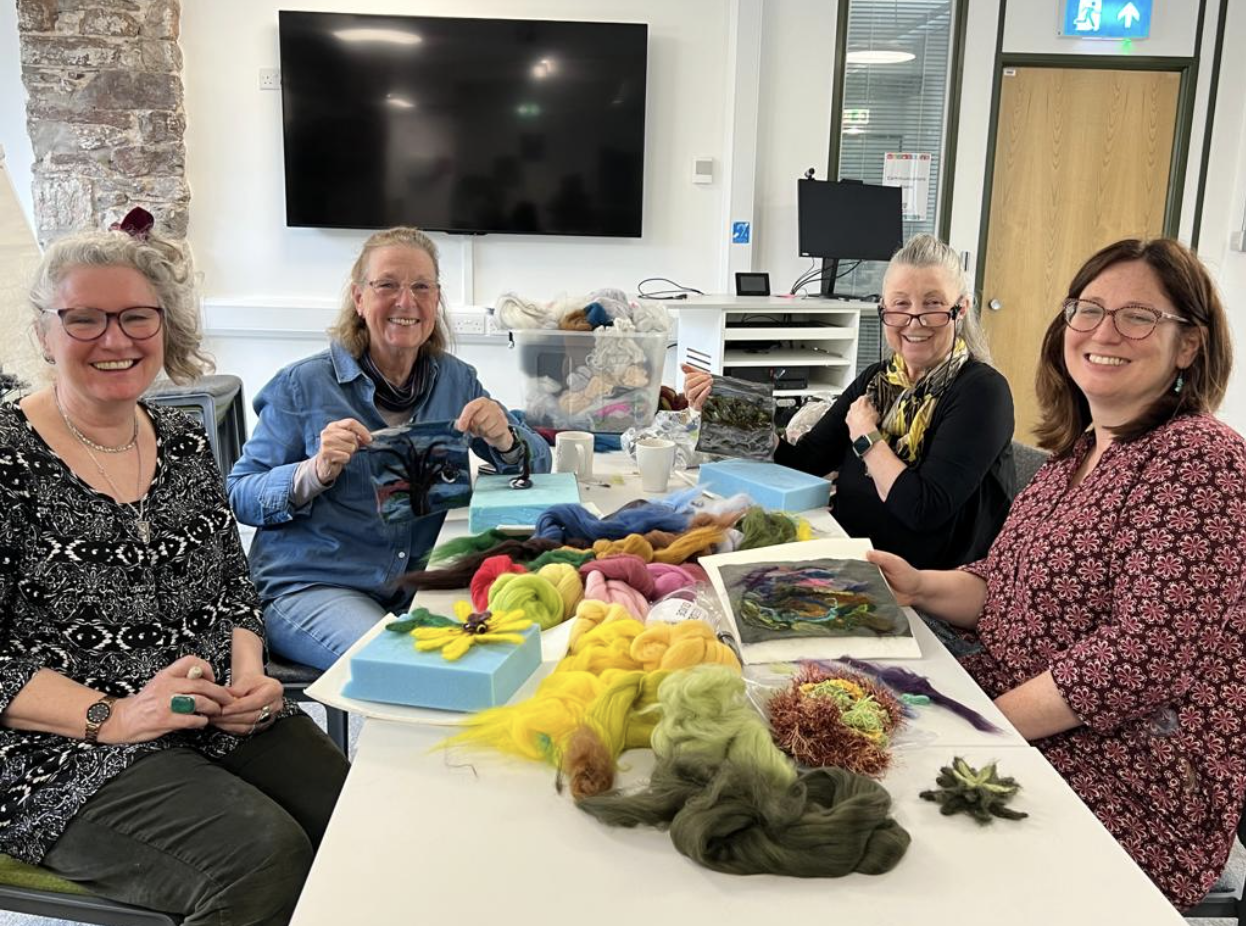
Photo credit: Art & Energy
What are you working on at the moment, and what themes are present in your work right now?
We’ve almost certainly got our first commission for a permanent outside solar artwork installation. I can’t tell you too much about that but we are very excited! It’s something that we are working on developing and we would love to do more of.
How do you see the future for Art and Energy Collective?
Energy systems and climate emergencies are only going to become more significant in our lives as things develop and we see the role of creativity in that and the opportunity for people to respond through a creative way to become resilient and to overcome anxieties is only going to become more important. The cross sector of multi ways in and bringing people together is something we are really passionate about and want to keep doing whether through a mass participation project or whether it’s through more commercial commissions.
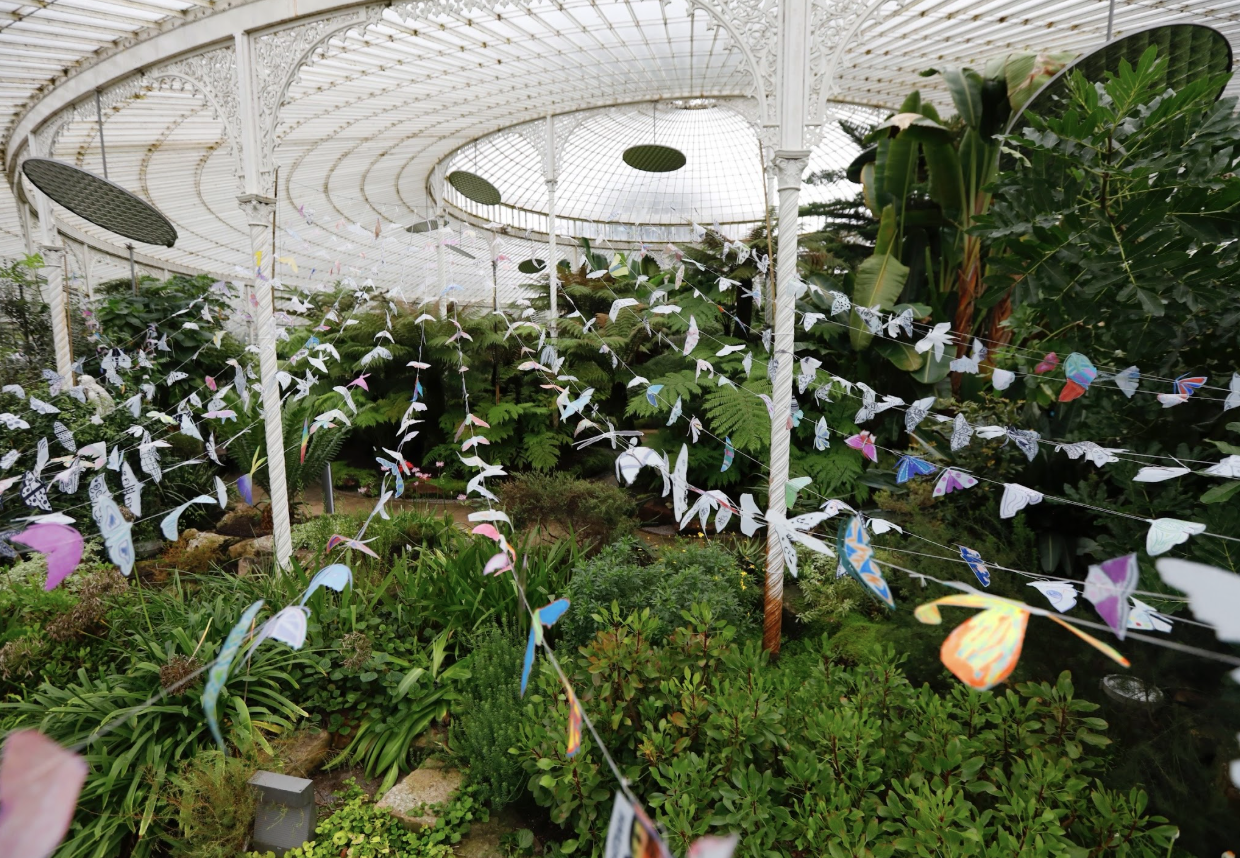
Moths to a Flame artwork at Glasgow Botanic Gardens. Credit Katherine Rose
I found chatting to Jenny incredibly interesting and insightful. The Art and Energy Collective are definitely focused on making a difference to the climate crisis but in a very creative and welcoming manner. To keep updated on their progress, what’s coming next and how you can get involved, follow Art and Energy on social media or check them out on their website.
@art_and_energy
